FHA vs. conventional loans: which is right for Tulsa Metro buyers?
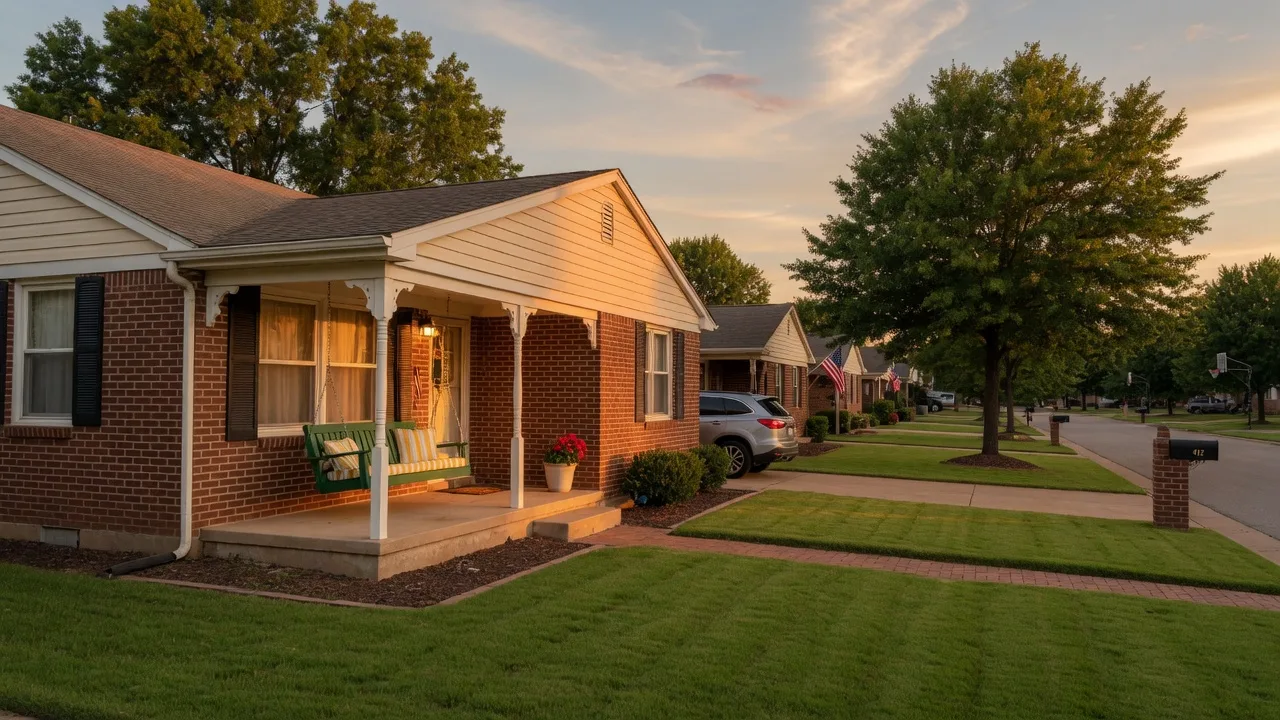
FHA vs. conventional is one of the questions I hear most from Tulsa Metro buyers, and for good reason. The short answer: both loans can get you into a home in Tulsa, Broken Arrow, Owasso, Jenks, or Bixby. The right choice comes down to your credit score, how much you can put down, and how long you plan to stay. Here is the plain-language comparison, with the local numbers that matter.
What's the difference between FHA and conventional loans?
FHA loans are insured by the Federal Housing Administration, which lets lenders offer lower down payments and more forgiving credit requirements. Conventional loans are not government-backed, so lenders set their own, usually stricter, standards. That's why FHA is such a common starting point for first-time buyers, while conventional often wins for buyers with solid credit and a larger down payment.
How much do I have to put down?
FHA lets you put down as little as 3.5% with a credit score of 580 or higher, and 10% if your score falls in the 500s. Conventional loans can go as low as 3% down through programs like Fannie Mae HomeReady, though those deals usually need a 620 credit score or better. With the Tulsa Metro median home price around $225,000 to $245,000, 3.5% down on a typical home means roughly $8,000 to $8,600.
Which loan has lower ongoing costs?
Two cost differences matter most: upfront fees and mortgage insurance. FHA charges an upfront mortgage insurance premium of 1.75% of the loan amount, usually rolled into the loan, plus an annual premium that stays for the life of the loan when you put less than 10% down. Conventional loans have no upfront fee, and private mortgage insurance (PMI) drops off automatically once you reach 20% equity. If you plan to stay in the home for many years, that permanent FHA insurance can make conventional the better long-term value.
What credit score do you need?
By the numbers, FHA is the more forgiving route: credit scores in the 580s can qualify, and some lenders accept higher debt-to-income ratios. Conventional lenders look for stable income, solid credit, and lower monthly debts. If your credit is a work in progress, FHA is often the realistic path. If your credit is strong, conventional can save you thousands over the life of the loan.
Which is better for first-time buyers in the Tulsa Metro?
For most first-time buyers in the Tulsa Metro, FHA is the natural starting point thanks to the 3.5% down payment. But here is the local twist: Tulsa County's First Home program and Oklahoma Housing Finance Agency (OHFA) options can pair with either loan type, sometimes covering part of your down payment or closing costs. That assistance can make conventional more affordable than it looks, so check your options before assuming FHA is the only path.
How do I choose?
Start with three questions: what is your credit score, how much can you put down, and how long do you plan to live in the home? Tight budget or a shorter stay: FHA usually wins. Strong credit, 10% or more down, and a long stay: run the conventional numbers first. A good lender can show you the exact payment for both side by side, and I can help you negotiate the deal.
Every buyer's situation is different, and the right loan depends on your numbers. Nancy Wilmeth helps Tulsa Metro and Broken Arrow buyers compare loan options and negotiate strong deals. Text or call 918-896-3526 or book a free consultation to talk through what makes sense for you.