What do I have to disclose when selling my home in Oklahoma?
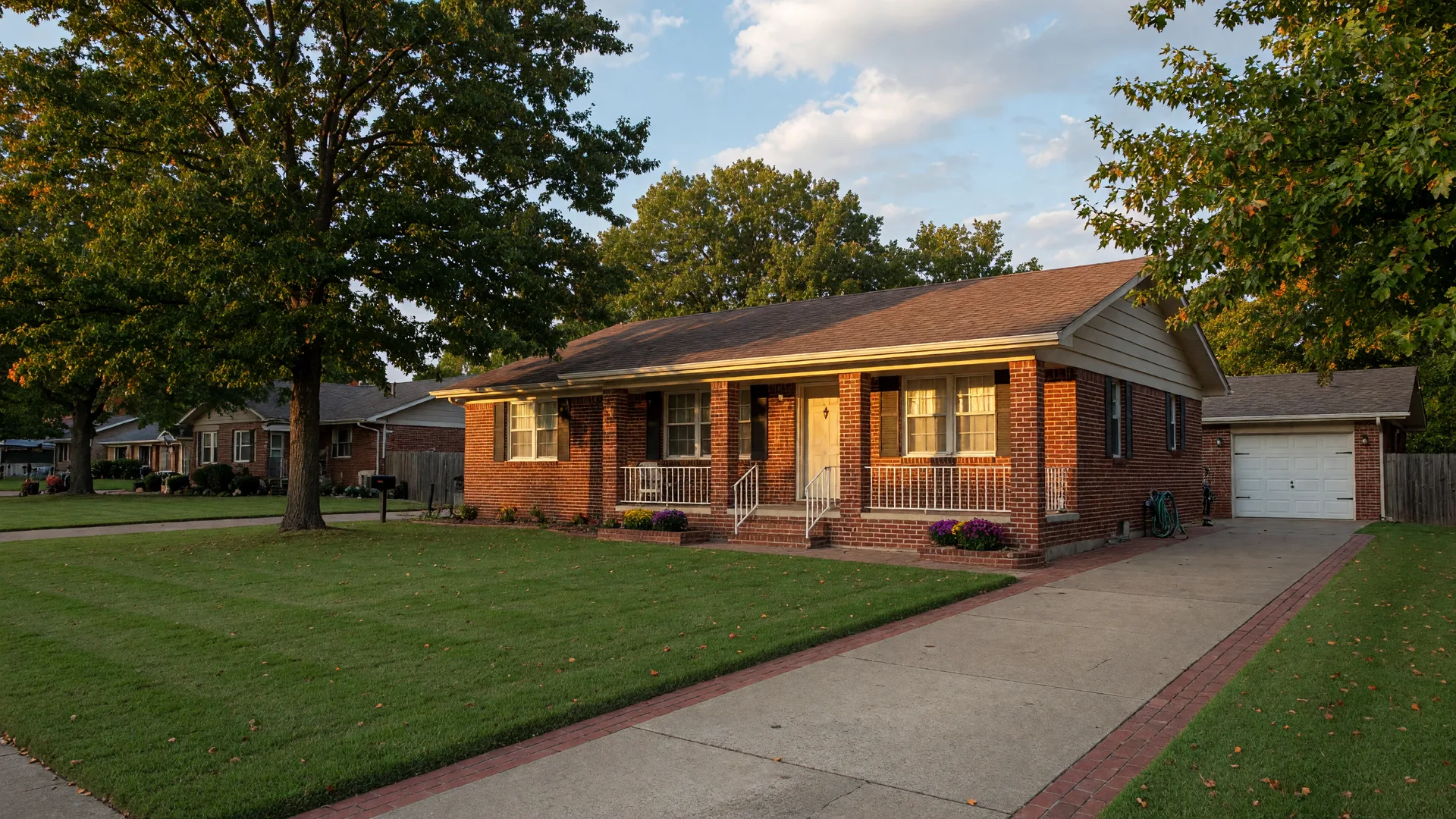
In Oklahoma, you have to give the buyer a written Residential Property Condition Disclosure Statement before they sign your offer. That is not a suggestion, it is state law, and it applies to almost every sale of a one- or two-family home in Tulsa, Broken Arrow, Owasso, Jenks, and across Northeast Oklahoma. Here is what the disclosure actually covers, the mistakes that get sellers into trouble, and how to handle it without losing sleep.
What the disclosure form asks about
The Oklahoma disclosure statement walks through the property system by system: the roof, the foundation, plumbing, electrical, heating and cooling, and any known water damage, termite activity, or settling issues. You answer from your actual knowledge. You are not expected to hire an inspector or crawl the attic, but if you know something is wrong, you need to say so. A defect is anything that would materially hurt the value of the home or the health and safety of the people who will live in it.

The two traps: "as-is" and unpermitted work
Two things trip up sellers more than anything else. First, selling "as-is" does not get you out of the disclosure duty. As-is changes the negotiation, not your obligation to tell the buyer about defects you already know about. Second, work done without a permit, such as a bonus room added in the garage or a deck built without inspection, often shows up in disclosures and in the buyer's own inspection. If an addition or remodel was never permitted, disclose it and track down the paperwork if you can. Handling it at the kitchen table is far easier than handling it at the closing table.
Can you skip the disclosure form?
There is one narrow exception. A seller who never occupied the home and has no actual knowledge of any defect may give the buyer a disclaimer statement instead of a full disclosure. If you have lived in the home, even briefly, or you know of any problem, you complete the full form. In practice, most sellers fill out the disclosure, sign it, and date it, and the date cannot be more than 180 days before the buyer receives it.

Why an accurate disclosure protects you
An accurate, signed disclosure is one of the best shields a seller has. It creates a written record of exactly what you told the buyer, and it removes the biggest basis for a dispute after closing. Failing to disclose a defect you knew about is what turns a small issue into a claim. After three decades and hundreds of closings, I have seen far more problems come from honest sellers who did not know what to write than from sellers who tried to hide things.
You do not have to figure this out alone
Completing the disclosure is one of the steps I walk sellers through line by line, before we ever put a sign in the yard. If you are thinking about selling in the Tulsa Metro, let's talk about your home, your timeline, and what the disclosure means for your situation. No pressure, no jargon, just a clear plan.