Is this home in an HOA? What Tulsa Metro buyers should ask before they offer
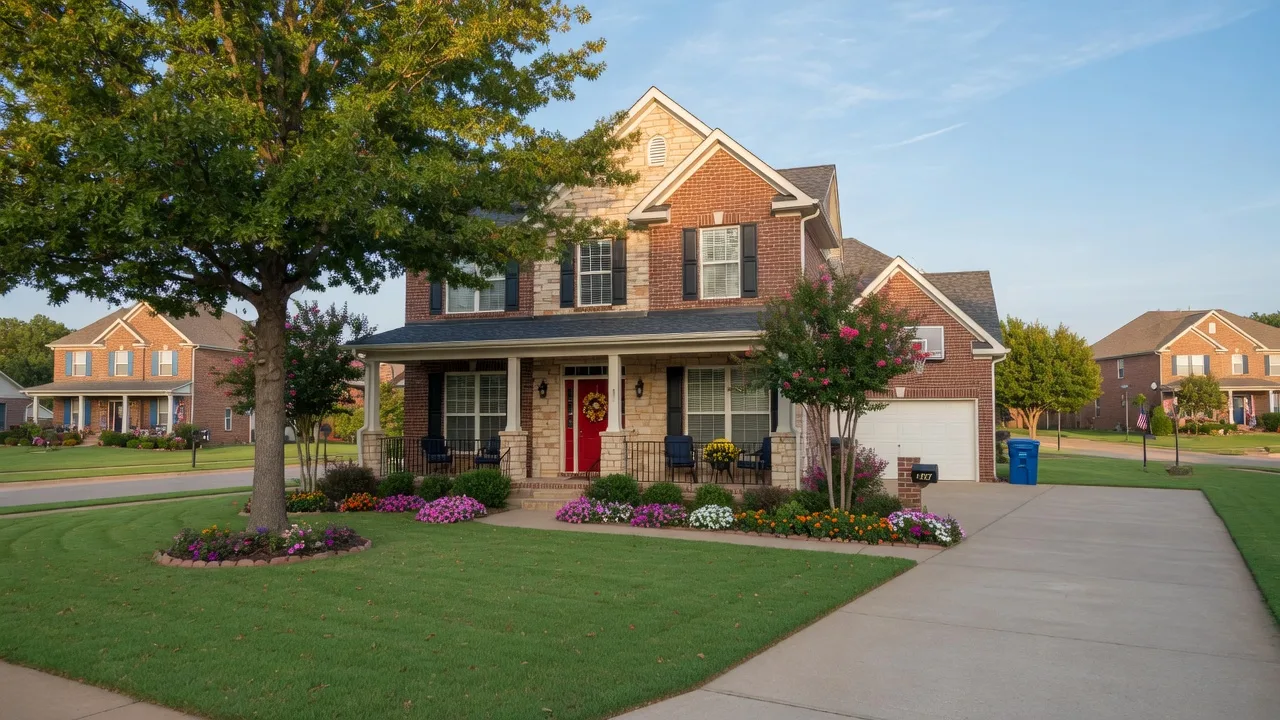
Is this home in an HOA? might be the most practical question you can ask when you tour homes in Broken Arrow, Owasso, Jenks, Bixby, or any newer subdivision in the Tulsa Metro, because the answer affects both your monthly budget and your freedom to change the property. Short version: an HOA is a homeowners association that maintains shared spaces and enforces the neighborhood's recorded rules, and if the home you love sits in one, joining is not optional. Here is what it means for your offer, your dues, and your day to day life.
What an HOA actually does
An HOA is created by the developer and run by a board of homeowners, usually with a property-management company handling the day to day work. In the Tulsa Metro, HOAs are the norm in many newer and master-planned communities, where they manage pools, playgrounds, ponds, and entry landscaping and keep the neighborhood looking consistent. Oklahoma has fewer HOAs than most states, roughly 4 percent of housing statewide, but in the suburbs most buyers shop, buying into a planned community with an HOA is a very common way to own.
What dues really cost
HOA dues vary a lot, so never assume a number. I have seen older subdivisions across the Tulsa area with modest annual dues around $60 to $100 a year, while townhome and amenity-rich communities can run a few hundred dollars a month. Before you offer, get the exact figure and treat it like property taxes or insurance: a permanent part of your monthly cost of owning. On a $300,000 home it may not change your decision at all. It just means one more line you plan for.

The rules: what HOAs commonly regulate
Rules exist to keep the neighborhood consistent. Expect to see standards for exterior paint colors, fences, landscaping, parking, signage, and in some communities rules about renting the home out. Most buyers find them reasonable, but the wrong rule can matter a lot in the wrong situation, so read the full covenants rather than a summary. That is the only way to know whether the restrictions fit how you actually live.
What to check before you offer
Four things matter most. First, the covenants, conditions, and restrictions, the CC&Rs, which spell out what you can and cannot do. Second, the current dues and exactly what they cover. Third, any pending special assessment, such as a big roofing or paving project that can add an unexpected bill in your first year. Fourth, the association's financial health: unpaid assessments in Oklahoma can become a lien on the home, and an HOA with a healthy reserve fund protects both your experience and your resale value. During the option period I request the HOA documents from the seller and walk my buyers through the parts that matter.

The honest takeaway
An HOA is not good or bad on its own. A well-run association can keep your street beautiful and your neighbors accountable. A stressed one can become a source of friction. What matters is knowing what you are agreeing to before you sign, and that is exactly the kind of homework I love helping buyers do.
If you are looking in the Tulsa Metro and want help reading an HOA packet or comparing communities, call me at 918-896-3526, email nancy@wilmethworks.com, or book a free consultation. I have guided buyers through this step hundreds of times, and I will help you go in with your eyes open.