Will the housing market crash in Tulsa in 2026?
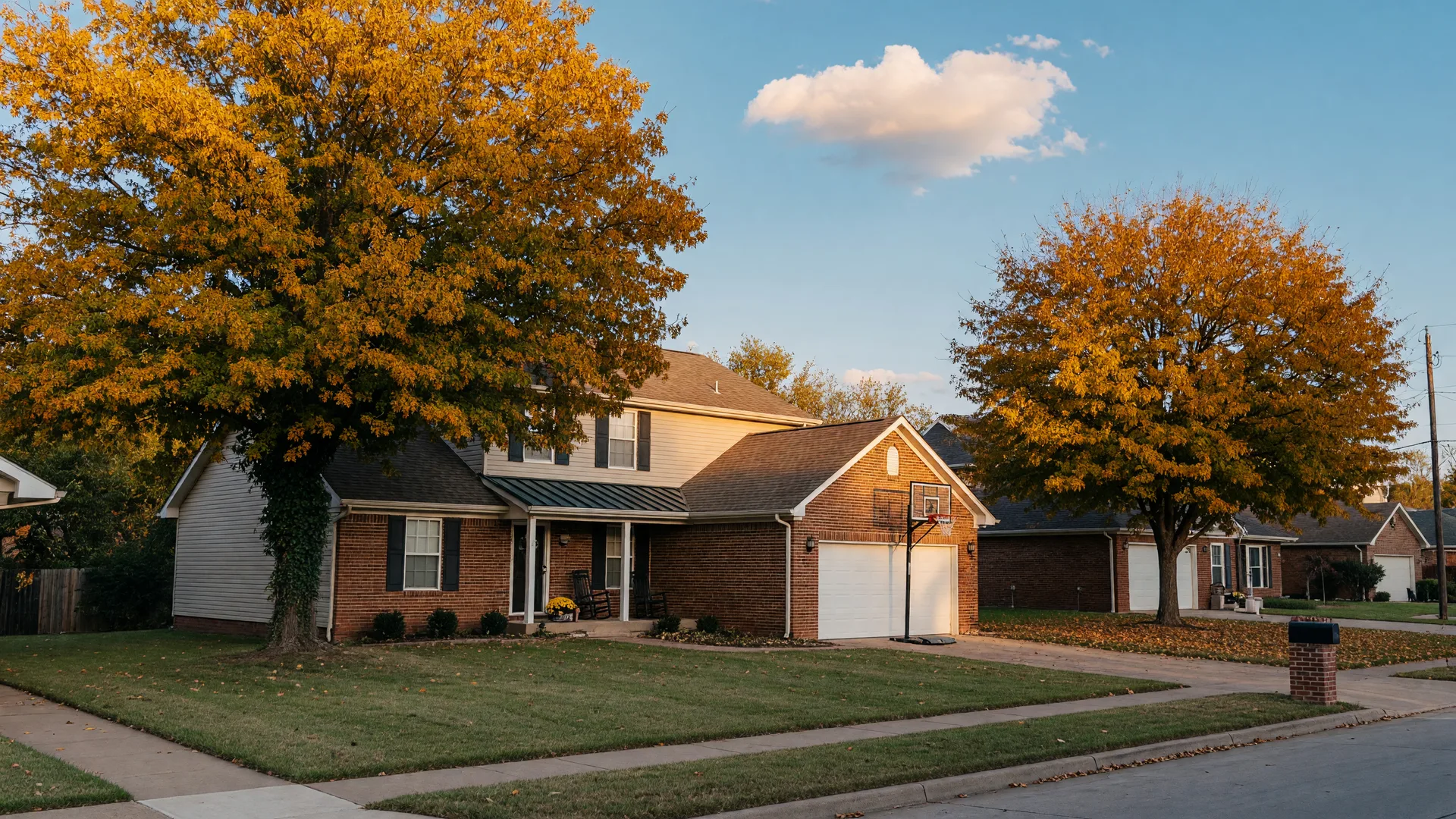
Short answer: no, and here is why. "Is the housing market going to crash?" is one of the most-searched real estate questions of 2026, and I get it. Headlines about mortgage rates and shifting inventory sound alarming. But when I look at the actual Tulsa Metro numbers, I see a market settling into a normal, healthier pace, not one teetering toward a collapse.
What the data actually shows
Prices are still climbing, just more slowly. Redfin shows the median Tulsa sale price near $260,000, up about 3.9% from a year ago, and the broader metro median sits around $290,000, up about 4.4% (LocalAlpha's Tulsa metro brief, fall 2026). That is appreciation, not a bubble deflating.
Inventory is the number I watch most closely. The Tulsa Metro is running at about 2.4 months of supply, with homes spending a median of about 54 days on market. A balanced market sits around five to six months of supply. Prices fall hard when supply floods the market, and Tulsa simply does not have that glut. Supply is still tight, and there is no wave of distress listings on the horizon.
Why a crash is unlikely
Crashes happen when speculation and loose credit inflate prices far past what local incomes can support. That is not this market. Buyers here are mostly owner-occupants, lenders are underwriting carefully, and builders are adding homes at a measured pace. The metro simply does not have the speculative run-up or the inventory glut that precedes a crash; this year reads as a normalization, not a bubble.
What could actually change
The real risks are slower, not sudden. Rates near 7.4% keep some buyers on the sidelines, and longer days on market in places are already giving buyers more negotiating room. Prices could flatten, and a few neighborhoods might see a small dip. But flat is not a crash. A 2% to 3% correction in an overpriced pocket is a market breathing, not a bubble bursting.
What that means for you
For buyers, waiting for a crash that is not coming usually means paying rent while prices creep up, then paying more later. If you are ready, buy when the numbers work for your budget, not when the headlines turn friendly. For sellers, the message is pricing. Homes priced realistically from day one are still selling in weeks across Broken Arrow, Owasso, Jenks, and Bixby; overpriced homes are the ones sitting.
Every market is local, and your situation is specific. If you are wondering what the Tulsa Metro looks like for your move, I would love to talk it through. Call me at 918-896-3526, email nancy@wilmethworks.com, or schedule a free consultation. We will look at your numbers together, no pressure and no jargon, just straight answers.